


The topic of “top carnivores” often comes up for discussion, and for the purpose of comparison in this article, we are looking at Africa’s land mammals, therefore excluding killing machines such as Nile crocodiles and Great White sharks.
JournalTarangire: why it’s one of the best-known National Parks in Tanzania for a safari
Posted by Leon on Mon September 2, 2019.
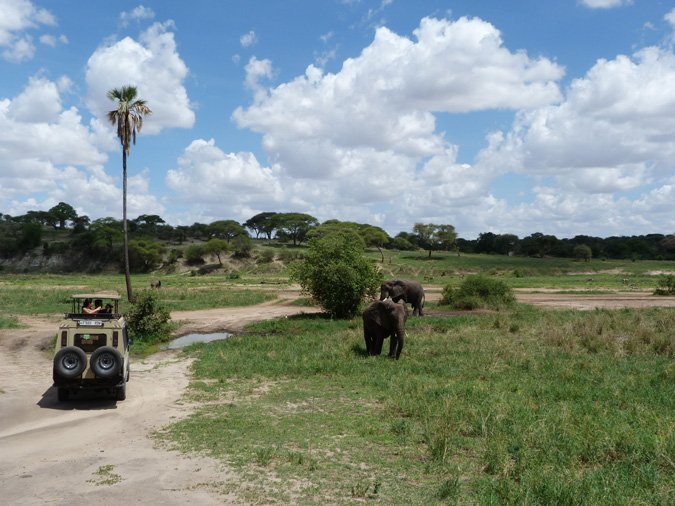
Tarangire is often one of the first parks that safari-goers visit after arriving in Tanzania. It is easily accessible by roadway, only ~120 kilometers from Arusha, and has a well-maintained airstrip. The park is quite large, so you can stay at a camp that feels very secluded and private. The park boasts many habitats and has dramatic seasonal changes with the short and long rains: savanna, woodland, swamps, streams, seasonal rivers, rocky outcrops, hills, and grassland, all lend themselves to diverse communities of animals not seen in nearby parks.
During the dry seasons, Tarangire teems with wildlife that congregate around its year-round water sources. Thousands of elephants migrate into the park between October and February and the park is known for the stunning drama of elephant herds moving to and from the Tarangire River and wallowing in the Silale Swamps. Even when these areas grow very dry in the height of the dry season, elephants have learned over centuries to dig into the sandy riverbeds to find water.
In the dry season, the wildlife viewing in Tarangire is terrific. In Tanzania, Tarangire is one of the best places to see the elusive leopard. The park is home to healthy lion prides and also a family of wild dogs. There are also species of antelope here that are not found in the nearby parks, such as oryx, kudu, and gerenuk. It is also a birder’s paradise, hosting over 500 species of birds within the park’s boundaries.
Tarangire’s scenery makes it one of the most visually appealing spots in all of Africa. Giant baobab trees, each thousands of years old, tower above the surrounding savanna, while the swampy centre of the park offers a lush, green carpet as far as the eye can see. The dry savanna and riverscapes make Tarangire an incredible park for walking safaris; some of Tarangire’s wonderful tented camps specialize in walking experiences.
If there’s one thing that Tarangire is well-known for that sometimes dismays travelers, it is the tsetse fly. These stubborn flies can inflict a pretty sharp bite, similar to a horsefly’s. With proper clothing, such as long sleeves and pants, as well as a basic repellent on hand at the lodges, the tsetses are bearable. They are not universally distributed around the park, so your local guide will also be familiar with areas and times of day to keep encounters with these insects at a minimum.
See it or skip it: Tarangire National Park is a must-see during the dry season
During the wet season (March to June), the abundant greenery and widely distributed water sources can make game-viewing difficult. Still, the park shouldn’t be skipped during this time if you’re an avid birder. However, adding Tarangire to your Tanzanian safari between July and February is well worth it. Some CUS guests have called this park their absolute favourite (especially elephant lovers!) due to the incredibly beautiful scenery, walking opportunities, and secluded accommodations.
Image: Africa Geographic
Further Reading
Spotted Hyena – Africa’s Ultimate Carnivore?
Wed March 18, 2020
Read This Article
An Unforgettable Botswana Safari
Fri February 21, 2020
Read This Article
In December 2019, I had the privilege of accompanying a lovely family on safari on Botswana, in my capacity as their CUS Private Guide. In every aspect, it was a wonderful experience, and I greatly look forward to many more Completely Unique Safaris in Botswana, a country that is justifiably considered Africa’s best safari destination. The camps we visited were Chief’s Camp, a Sanctuary Retreats destination in the Moremi Game Reserve, and...
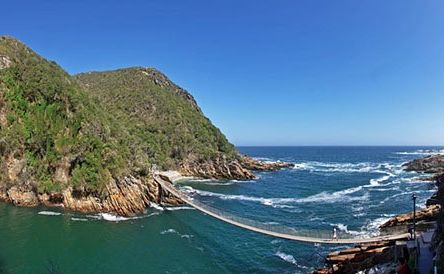
South Africa’s garden route: Where to go on the Garden Route and what to do
Sat September 14, 2019
Read This Article
The Garden Route is one of the world’s most spectacular drives, a 200km stretch of road that winds past forested mountains, sprawling wetlands and white-sand beaches with picturesque towns spaced no more than a 45-minute drive apart.
Share This Post