


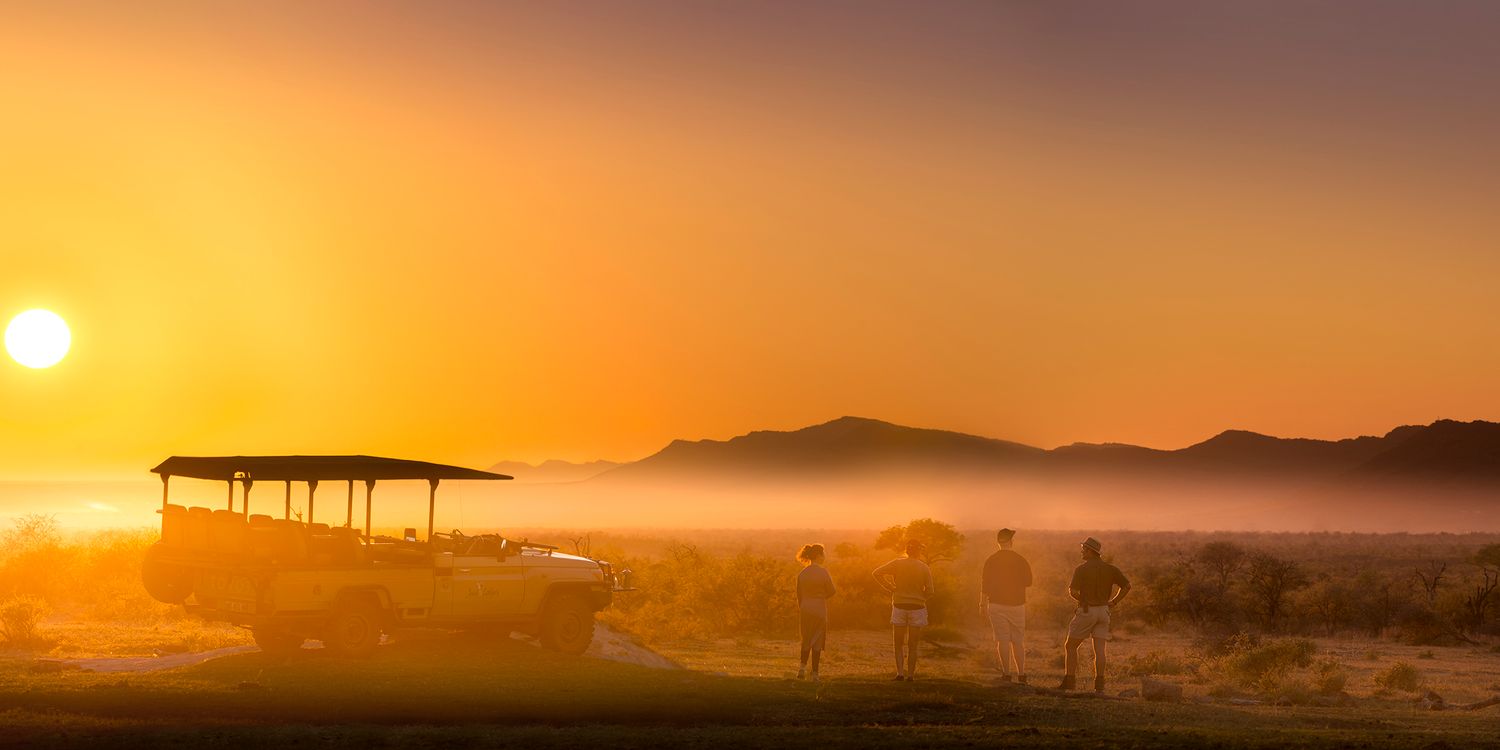
How CU SAFARIS designed, coordinated and personally managed a two-week African adventure for a family of ten, creating exceptional experiences while ensuring every generation was taken care of. 10 Guests | 3 Generations | 5 Children | 2 Weeks in Africa
JournalSelous: Why it’s one of the best off-the-beaten-track parks in Tanzania for a safari
Posted on Tue August 27, 2019.
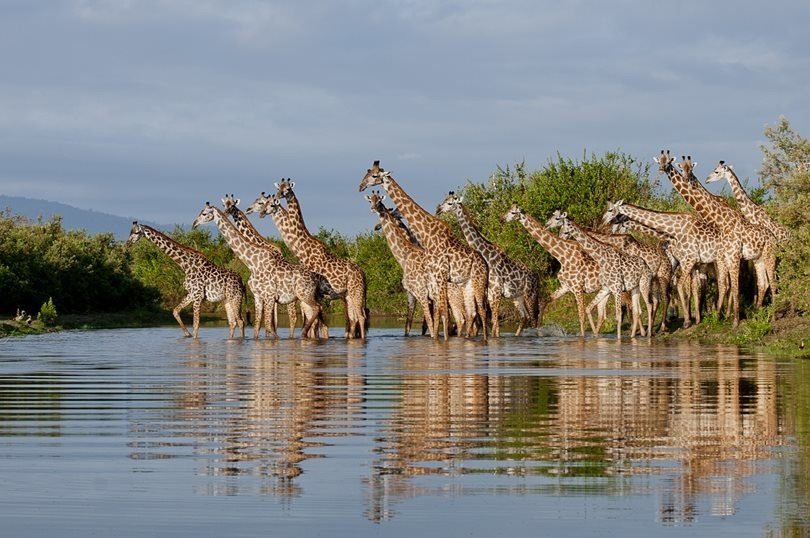
The Selous (pronounced “Se-loo”) in southern Tanzania is Africa’s largest single reserve. To put the size of this vast wildlife area in perspective, it is as big as the country of Switzerland. Habitats in the Selous include grassland, savannah, swamps, Acacia woodland and large tracts of miombo woodland. The Selous also hosts the renowned Rufiji River in its northern region. Because of this incredible biodiversity, and its relatively untouched nature, the Selous was designated a UNESCO world heritage site in 1982.
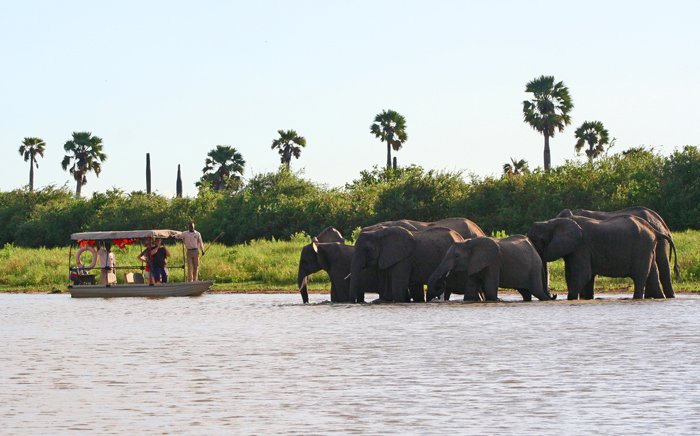
Image by Africa Geographic.
The reason many photographic safari goers have not heard of the Selous is that the majority of the reserve is designated for big game hunting. The land is leased out in parcels, or “concessions” to private companies that operate hunting safaris. However, there is a very large portion of the northern Selous that is strictly non-hunting and it is a wilderness gem. The “two worlds” of hunting and photographic safari do not overlap or mix in any way.
The Selous is home to some of the largest populations of elephants, lion, leopard, wild dog, crocodile, buffalo, cheetah, hyena, and giraffe in the world. The wildlife there are relaxed around game drive vehicles and, in some areas, also relaxed around travelers participating on walking safaris. This sometimes surprises safari-goers who feel that the wildlife is going to be more easily “spooked” given the hunting activity. The sheer vastness of the Selous and size of the area dedicated solely to photographic safaris provides this buffer. This article from a leading UK newspaper calls the Selous a safari above all others.
The Selous: a guaranteed way to get off the beaten track in Tanzania
For safari travelers who want to immerse themselves in wilderness and take advantage of the relative flexibility of a Game Reserve vs. a National Park, the Selous is an excellent choice. This flexibility can manifest itself by greater opportunity to drive off-road to track wildlife, expanded walking opportunities such as an overnight “fly camp” experience, and less strictly defined sunset curfews. The Rufiji River also offers a landscape for boating activities, something that is very rare in Tanzania’s major National Parks.
What is the best time of year to visit the Selous?
One should plan on visiting the park during the dry season (late June through February) when vegetation is sparse, and wildlife becomes concentrated around water sources. The wildlife viewing around the Rufiji River is exceptional. In the wet season, the reserve can become impassable and wildlife spreads out across the vast game reserve, making viewing more challenging. The wet season can still be very exciting for certain specialist travelers, such as avid birders.
Further Reading
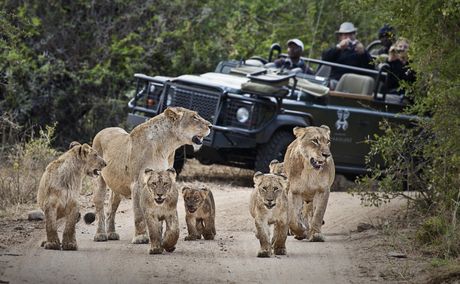
Three Generations. One Extraordinary African Journey.
Mon November 9, 2026
Read This Article
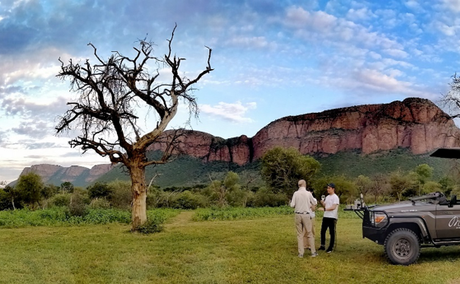
Magical Marataba
Mon March 9, 2020
Read This Article
A place of pure beauty and mystery set amongst the Waterberg mountains, one of the oldest mountain ranges in the world estimated to be about half the age of the earth at 1.8 – 2.2 billion years old. In the Marakele National Park, the Marataba section of the park is a private area of about 23 000 hectares (54 000 acres), home to much of the Limpopo Waterberg’s biodiversity, including the Big...
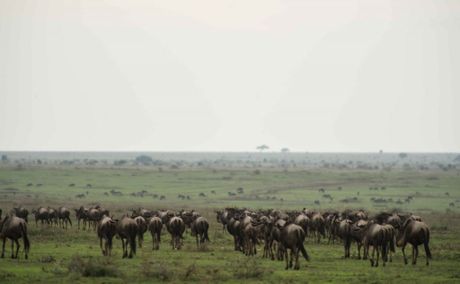
The best times to see the Great Migration in Tanzania and Kenya
Sun September 15, 2019
Read This Article
Why is the Great Migration such a big focus of safaris? The Great Migration of wildlife between the plains of the Southern Serengeti and the Mara River landscapes that separate the Northern Serengeti and Kenya’s Maasai Mara is often referred to as the greatest wildlife spectacle on earth. This movement of wildebeest, zebra, topi, gazelle and other animals attracts safaris goers from all over the world, and for very good reason: the...
Share This Post