


When you book your safari after going through the design process with us, the next step is to look at a travel insurance policy. Your full trip cost is often not the kind of money that you want to just put on the line, vulnerable to a twist of fate that could cause an unfortunate cancellation.
JournalRead More Managing a chronic condition on safari: tips for safe and comfortable travel
Posted by Liz Sumner on Wed July 24, 2019.
Having a chronic condition should not be an impediment to taking a safari. Lodges have welcomed travelers with many different needs and have devised means to ensure all guests are comfortable and safe. Insulin dependent diabetes on safari. If you require regular insulin administration and travel with your medication, maintaining refrigeration is not an issue at the majority of lodges. In many permanent camps, small “bar size” refrigerators are available in your room for storing medication, while in other areas, the lodge is happy to try to accommodate you with a portable cooler or store your medication in their own refrigerator. When consulting with us about your safari itinerary, it is very important to mention your requirements so that we can be sure to match you with camps where you will be worry-free.
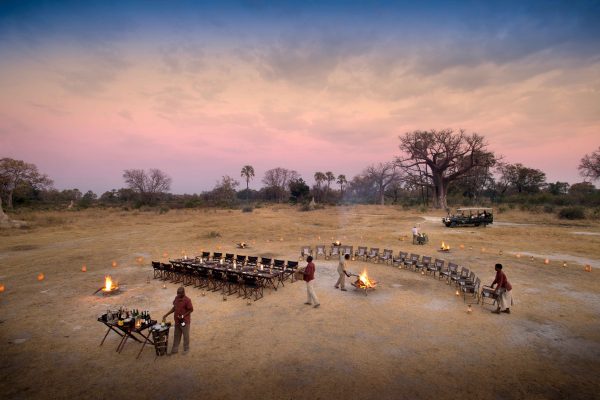
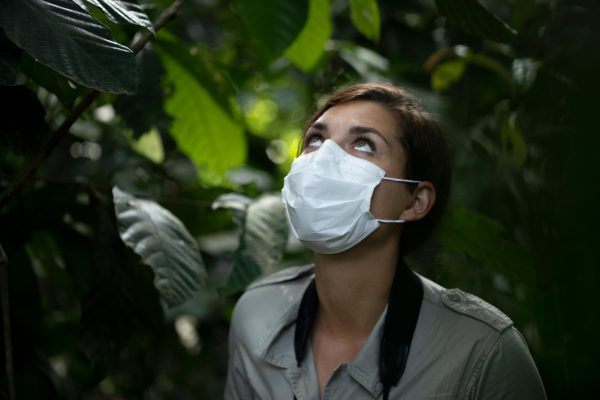
Asthma on safari. In general, safari climate in the dry season can be quite good for a respiratory ailment with no pollen in the air, etc. In terms of other potential triggers, the two that I would want to be most aware of would be dust and smoke from natural fires. Lodges will typically have open fires in outdoor areas around the cocktail hour before dinner, but these are easily avoided, and the lodge will absolutely accommodate other venues for someone wanting to avoid smoke. Fires are lit frequently in winter during the evenings and early mornings in rooms when temperatures plummet. Dust does get kicked up by vehicle tires when out on drives- the dust factor is not as big of an issue during the rainy seasons. So basic precautions such as a bandanna or disposable face mask could be a good idea, and are not onerous to bring along.
Regardless, if you have asthma, you should bring your usual inhaler/medications along, and you may want to approach your physician about bringing a travel nebulizer along in case you experience an issue that doesn’t resolve with the rescue inhaler alone. There are many “pocket-sized” ultrasonic nebulizers available on the market today and one of these could provide an extra sense of security.
In general, however, there is nothing on safari that would be terribly different from any other day spent in the outdoors — certainly strenuous exertion is not at all in the picture. If medical evacuation due to an asthma attack is even a remote possibility, our attention would certainly focus on South Africa, where medical attention can be immediate. For example, most of the lodges have emergency medical resources that can be summoned very quickly, as well as easier flights or drives to first-class medical clinics (in towns that border the reserves, as opposed to flights into an international airport such as Nairobi or Gaborone).
Sleep apnea on safari. Safari-goers who travel with a CPAP machine are increasingly common and the main concern if you’re a nightly CPAP user is having access to electricity that lasts throughout the night. Rather than rely solely on a lodge to have consistent power, many travelers choose to bring along a portable battery pack that will last throughout the night and can be re-charged on a daily basis. Most CPAP manufacturers have both Travel Size CPAPs as well as Battery Solutions that can expand possibilities for extended adventure travel! Please let us know if you would like more information about source and schedule of a particular camp’s electricity as we design your safari.
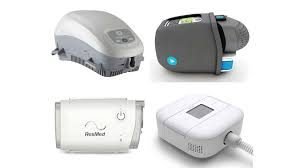
4 different types of travel CPAP’s
Completely Unique Safaris assumes no responsibility for medical or health-related information on our website or links to external websites. Always consult your personal physician to confirm your approach to vaccination or preventative care.
Further Reading
Travel insurance for your African safari
Thu August 29, 2019
Read This Article
Preparing for your safari: Visa requirements for US citizens traveling to Africa
Fri August 23, 2019
Read This Article
U.S. citizens will need entry visas for many of their African safari destinations. Visas for Tanzania, Kenya, Uganda and Zambia are the most common visas that are obtained by safari-goers. South Africa, Botswana, Zimbabwe and Namibia do NOT require advance visas for U.S. passport holders (you do receive an ‘entry visa’ as a stamp in your passport upon arrival).
Hit me with your best shot: Vaccinations for safari
Fri July 19, 2019
Read This Article
Having up-to-date vaccinations is an important part of safari preparation. While in many countries, the recommended vaccines are no different than ones for the USA, some countries do require specific shots. For example, proof of having a Yellow Fever vaccine is required to obtain entry visas for many African countries.
Share This Post