


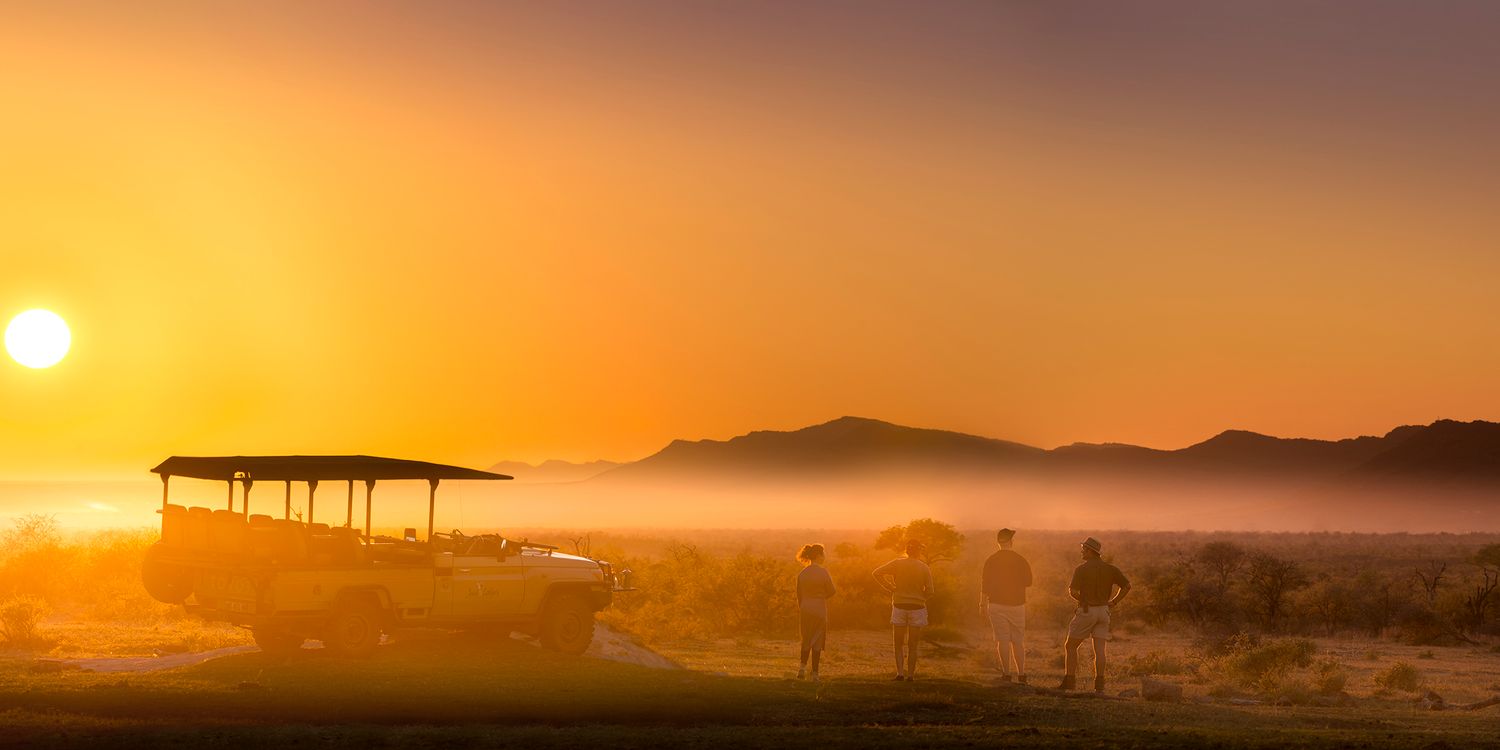
How CU SAFARIS designed, coordinated and personally managed a two-week African adventure for a family of ten, creating exceptional experiences while ensuring every generation was taken care of. 10 Guests | 3 Generations | 5 Children | 2 Weeks in Africa
JournalLake Manyara: why it’s one of the best-known National Parks in Tanzania for a safari
Posted on Thu August 29, 2019.
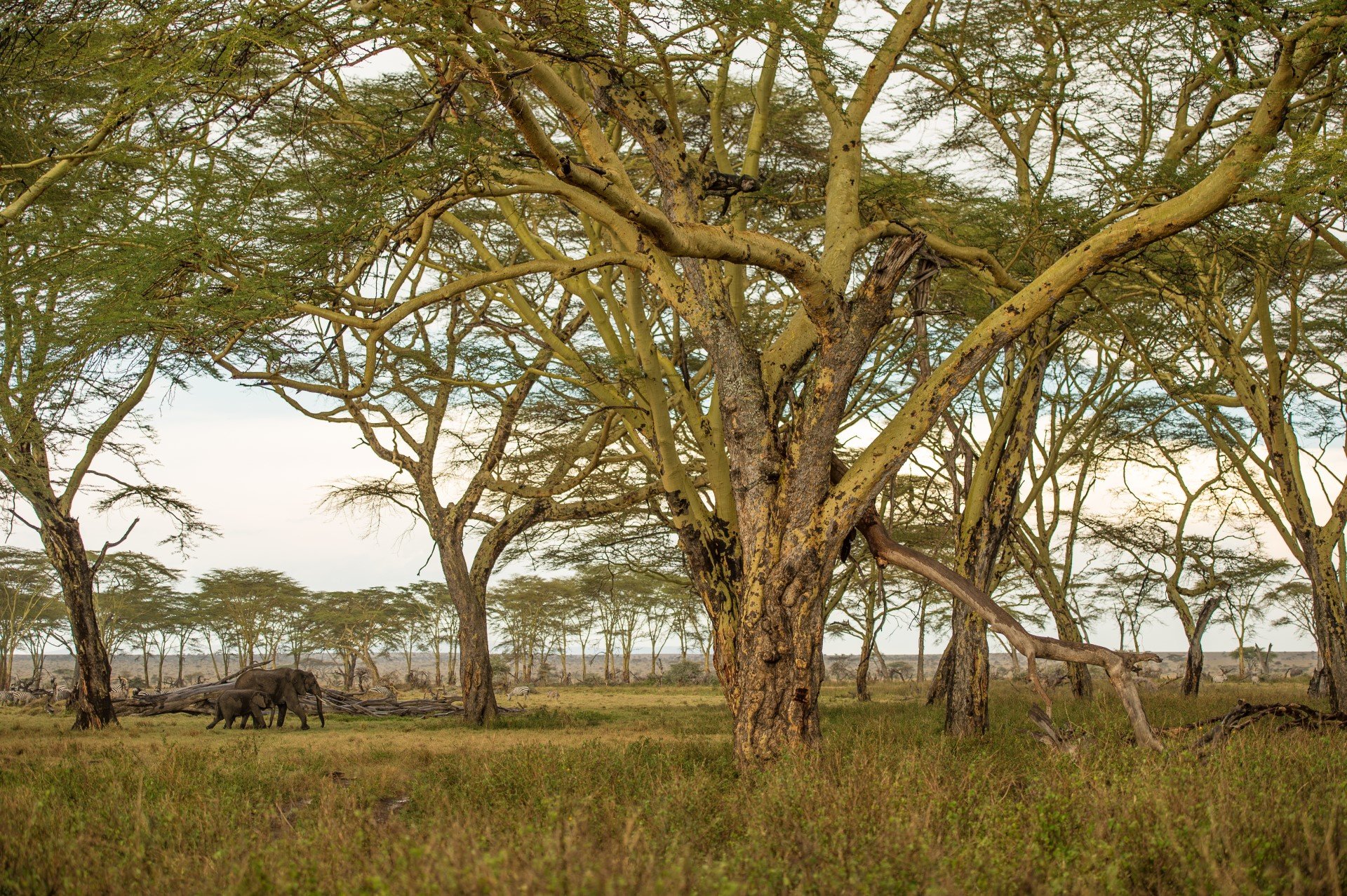
Tanzania has spectacular geographic and seasonal diversity, which results in it being one of the most rewarding safari destinations in the world. This is part of our review of the best-known National Parks in Tanzania for photographic safaris and why they are so popular. Another post covers Tanzania’s hidden gems, i.e. the lesser-known destinations that you should consider for your adventure.
Most safari goers will find themselves in one or more of these Tanzanian National Parks for good reason. Like Yellowstone or Yosemite in the Western U.S., these wilderness areas offer incredible scenery and abundant wildlife. We also cover the possible reasons you may want to opt for one of the lesser-known spots instead of these flagship reserves.
Lake Manyara National Park
Lake Manyara National Park is a small park in comparison to others in Tanzania, but offers up an ecosystem that is unique when compared to the nearby savanna, woodland, and grassland habitats. Lake Manyara lies alongside the Rift Valley and the high groundwater table in the park creates a unique forest & waterscape habitat for birders and safari goers looking for a dense collection of wildlife that collect at the lake’s shore. Although there are no water-based activities on the lake (such as boating), guests who travel here can see elephant and other large game from the park’s roads. Lake Manyara is also famous for its tree-climbing lions, though seeing the pride is not guaranteed. Seasonal flamingos migrate into the lake in April and May, so the park may be worth visiting during this time if seeing ten of thousands of these beautiful birds catches your imagination.
See it or skip it? Lake Manyara is a soft intro to what likely awaits you on safari
Guests traveling to the Ngoronogoro Crater often stop into Lake Manyara, due to the proximity of the Manyara airstrip (if traveling by air) and roadway between Arusha and the Serengeti (if traveling by vehicle). The majority of safari goers in this area will pass by the park and will often spend a few hours there before traveling on to the Crater or Serengeti. Unfortunately, this can make the midday and late afternoon hours fairly crowded with other vehicles.
Because the best game-viewing opportunities occur in the early morning and before dusk, we recommend an overnight stay at Lake Manyara to see the park at its most rewarding, particularly for travelers eager to seek out the birdlife around the soda-ash lake or to stay in the famous Tree Lodge that is the only overnight accommodation in the park. However, for safari goers on their way to the Ngorongoro Crater or the Serengeti, more spectacular general game viewing awaits you.
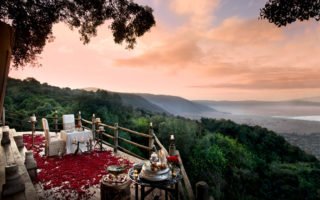
Image by Africa Geographic.
The best times to visit are in January and February, or during the “peak season” of June through November. March, April, and May are the wetter times of the year, and the park’s roads may be in worse condition. Wildlife may be a little more difficult to find because of the thick vegetation, but it’s the best time to see the lake populated with thousands of flamingos.
Further Reading
Three Generations. One Extraordinary African Journey.
Mon November 9, 2026
Read This Article
Magical Marataba
Mon March 9, 2020
Read This Article
A place of pure beauty and mystery set amongst the Waterberg mountains, one of the oldest mountain ranges in the world estimated to be about half the age of the earth at 1.8 – 2.2 billion years old. In the Marakele National Park, the Marataba section of the park is a private area of about 23 000 hectares (54 000 acres), home to much of the Limpopo Waterberg’s biodiversity, including the Big...
The best times to see the Great Migration in Tanzania and Kenya
Sun September 15, 2019
Read This Article
Why is the Great Migration such a big focus of safaris? The Great Migration of wildlife between the plains of the Southern Serengeti and the Mara River landscapes that separate the Northern Serengeti and Kenya’s Maasai Mara is often referred to as the greatest wildlife spectacle on earth. This movement of wildebeest, zebra, topi, gazelle and other animals attracts safaris goers from all over the world, and for very good reason: the...
Share This Post