


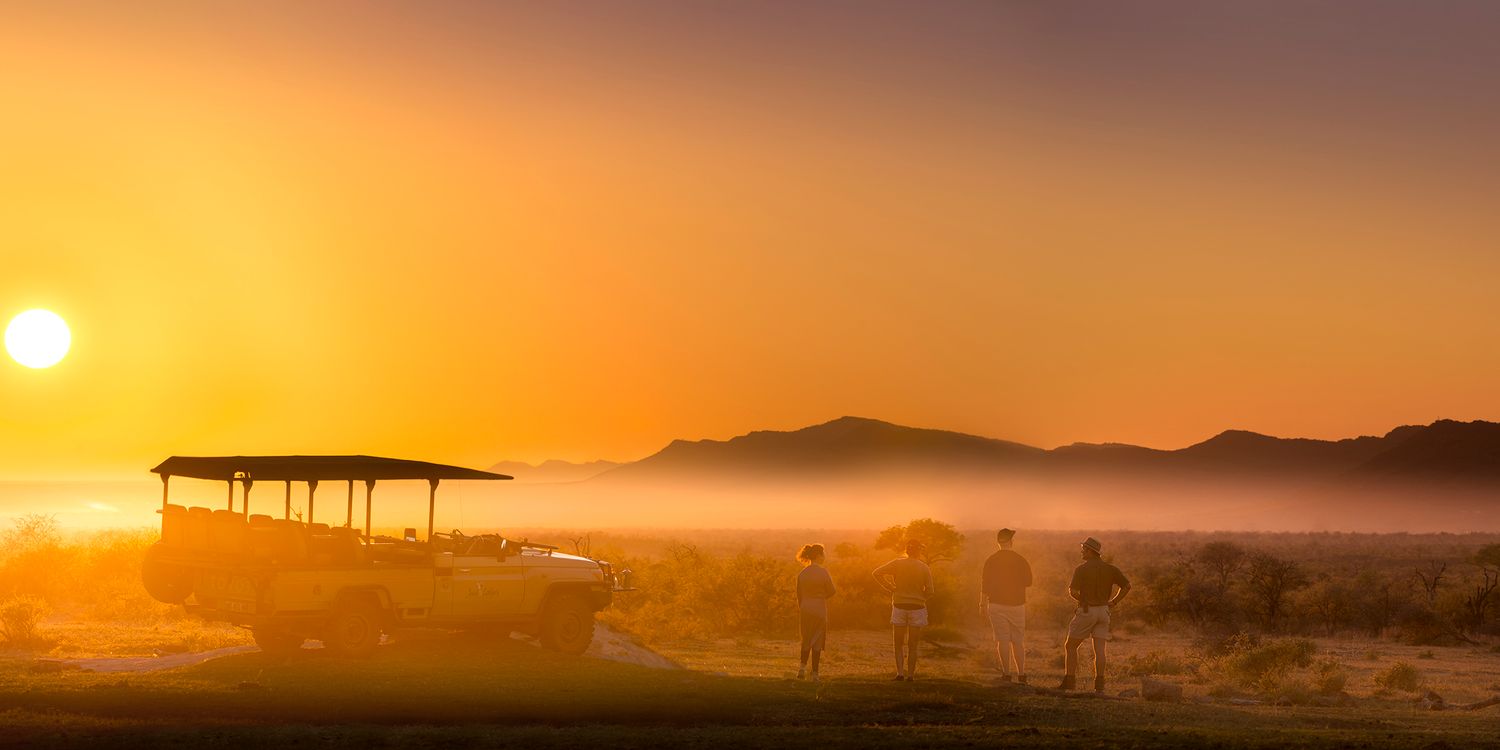
How CU SAFARIS designed, coordinated and personally managed a two-week African adventure for a family of ten, creating exceptional experiences while ensuring every generation was taken care of. 10 Guests | 3 Generations | 5 Children | 2 Weeks in Africa
JournalBest times to visit Tanzania for a photo safari
Posted on Tue August 27, 2019.
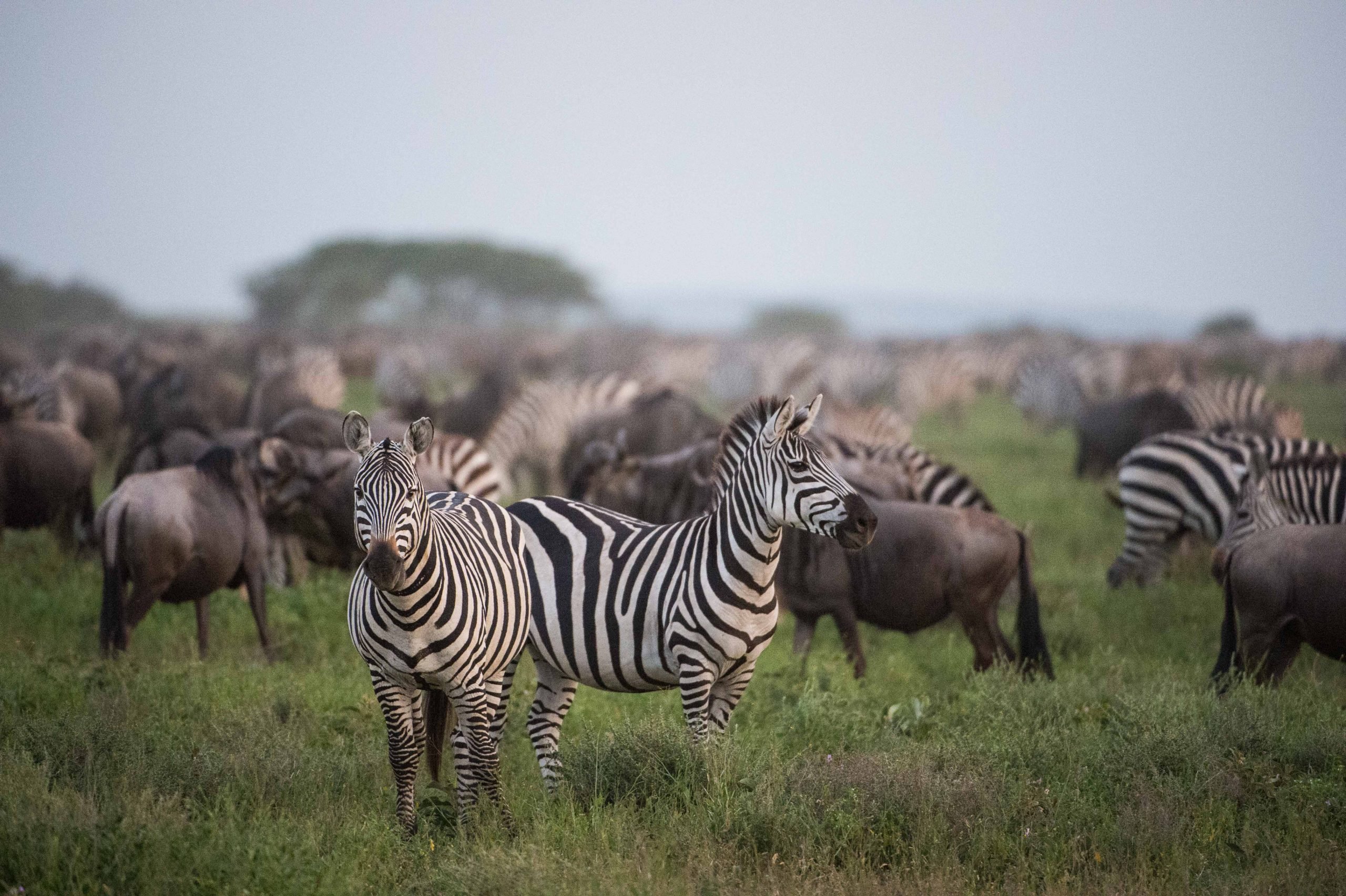
Tanzania is an excellent safari destination but knowing the right times to go to suit your personal interests will make the safari experience even better. There are a few notable attractions that make Tanzania so popular and for a good reason. Wildlife spectacles like the great wildebeest migration is a good reason to go to Tanzania on a safari. But there is a lot more to Tanzania than just the migration. Here are a few good trip ideas
When to go?
The most popular time to travel to Tanzania is July, August, and September. The reason is that the wildebeest migration is in the far northern Serengeti and Maasai Mara in Kenya. The Mara River separates these two countries and wildlife areas, however the animals move freely between the two crossing back and forth looking for good grazing. The migration in the northern Serengeti is a spectacle to behold, and one of the greatest wildlife shows on the planet, especially if a large herd of wildebeest and zebra cross the Mara River. Many predators take advantage of this time, and game viewing is often exceptional.
The second most popular time to visit Tanzania to see the migration is January, February, and March. At this period of year, female wildebeest congregate on the southern Serengeti’s short grass plains to give birth. About 500,000 calves are born during this time and gather their strength before migrating north.
The wildebeest migration does, without a doubt, attract the most guests to Tanzania but there some other very well know and not so well known areas you should consider for your next safari.
Tanzania has two rainfall seasons, and two dry seasons: we call these the short rains and the long rains, and the short dry season and long dry season respectively.
Wet season: March, April, May (long rains)
Dry season: June, July, August, September, October (Long dry season)
Wet season: November, December (Short rains)
Dry season: January, February (Short dry season)
Don’t let the rain keep you away. The wildlife viewing can be excellent at these times, especially for avid birders. Many species of birds migrate at the onset of the rains, the most notable are the vast flocks of flamingos. The Ngorongoro crater is well-known for being an excellent game-viewing destination at any time of the year, many of the animals are resident in the crater, and only a few of the animals move into the nearby Serengeti.
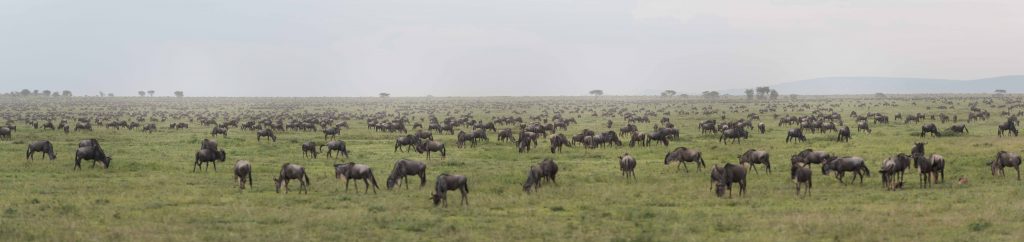
If looking for wildlife is your principal focus, then traveling during the dry seasons and on the shoulder seasons will be best for you. Tanzania can get arid, and wildlife will often migrate into areas where they can reach fresh water. The dry season also makes driving around a lot easier and makes some of the more remote camps easier to access. Camps in parks like the Selous, Katavi, and Ruaha, may close for a few months a year because of heavy rains.
Further Reading
Three Generations. One Extraordinary African Journey.
Mon November 9, 2026
Read This Article
Magical Marataba
Mon March 9, 2020
Read This Article
A place of pure beauty and mystery set amongst the Waterberg mountains, one of the oldest mountain ranges in the world estimated to be about half the age of the earth at 1.8 – 2.2 billion years old. In the Marakele National Park, the Marataba section of the park is a private area of about 23 000 hectares (54 000 acres), home to much of the Limpopo Waterberg’s biodiversity, including the Big...
The best times to see the Great Migration in Tanzania and Kenya
Sun September 15, 2019
Read This Article
Why is the Great Migration such a big focus of safaris? The Great Migration of wildlife between the plains of the Southern Serengeti and the Mara River landscapes that separate the Northern Serengeti and Kenya’s Maasai Mara is often referred to as the greatest wildlife spectacle on earth. This movement of wildebeest, zebra, topi, gazelle and other animals attracts safaris goers from all over the world, and for very good reason: the...
Share This Post